Crown or onlay
More suitable when the tooth needs stronger protection.

A dental filling may repair decay, a small chip, a lost filling or a worn area when enough healthy tooth remains.
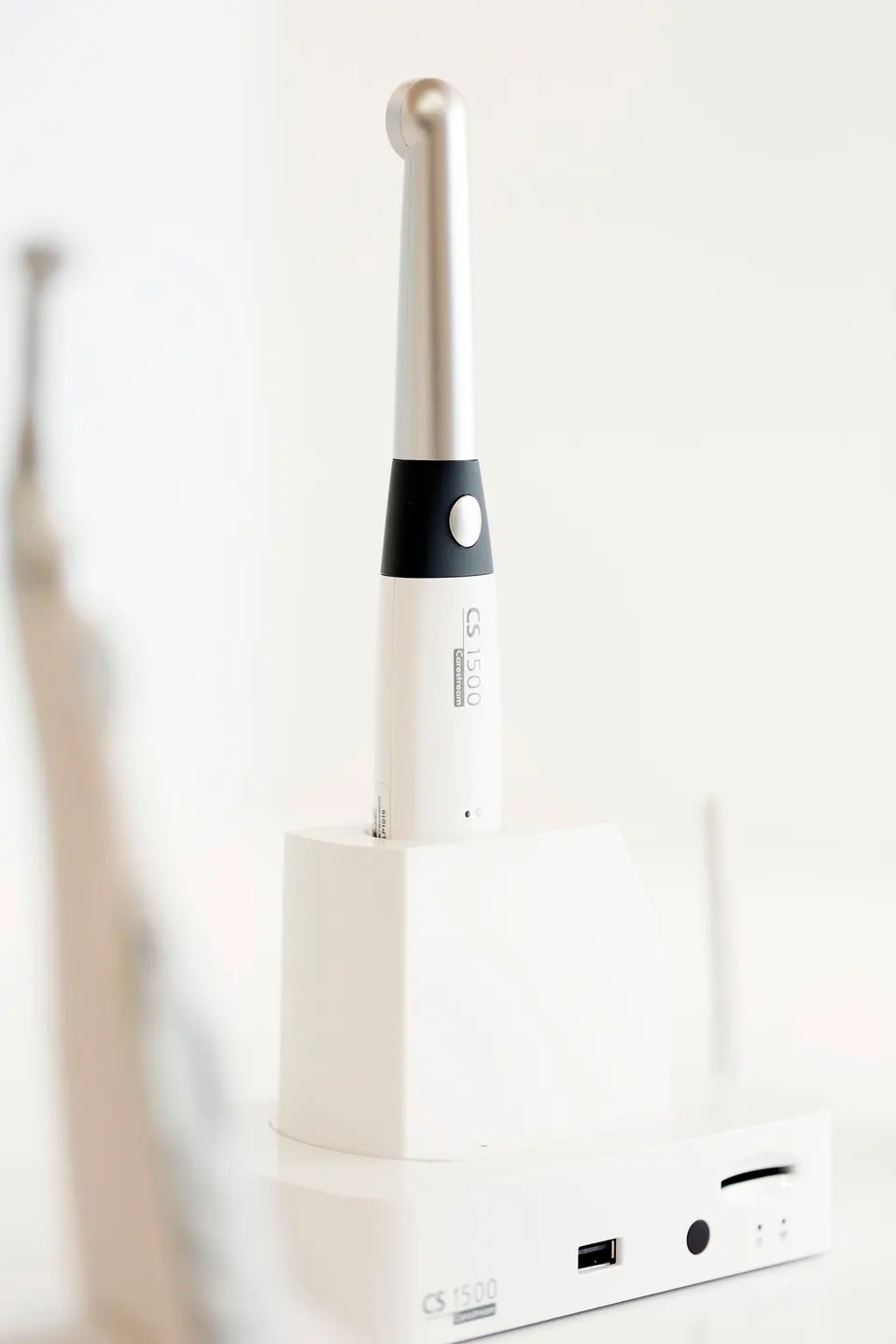
Fillings are useful for repairing smaller areas of decay, wear or breakage. They are not always the best choice for teeth that are cracked, heavily filled, nerve-involved or structurally weak.
More suitable when the tooth needs stronger protection.
Considered when the nerve is inflamed or infected and the tooth can be saved.
Sometimes early or stable changes can be monitored with prevention.
A filling is more conservative for smaller defects; a crown may be more predictable when the tooth is weak or cracked.
Early or inactive changes may be monitored when the surface is stable and prevention can reduce risk.
A filling repairs tooth structure, but nerve inflammation or infection may need root canal treatment before restoration.
Sometimes. The tooth needs assessment first to check for decay, cracks and whether enough tooth remains.
Not always. A filling is more conservative, but it may not last if the tooth is structurally weak.
Book a normal appointment to understand the problem, alternatives and whether treatment is appropriate.