Crowns and fillings problems

Problems with crowns and fillings can include lost fillings, loose crowns, sensitivity, cracks, decay or bite changes.

Last updated 2026-07-29

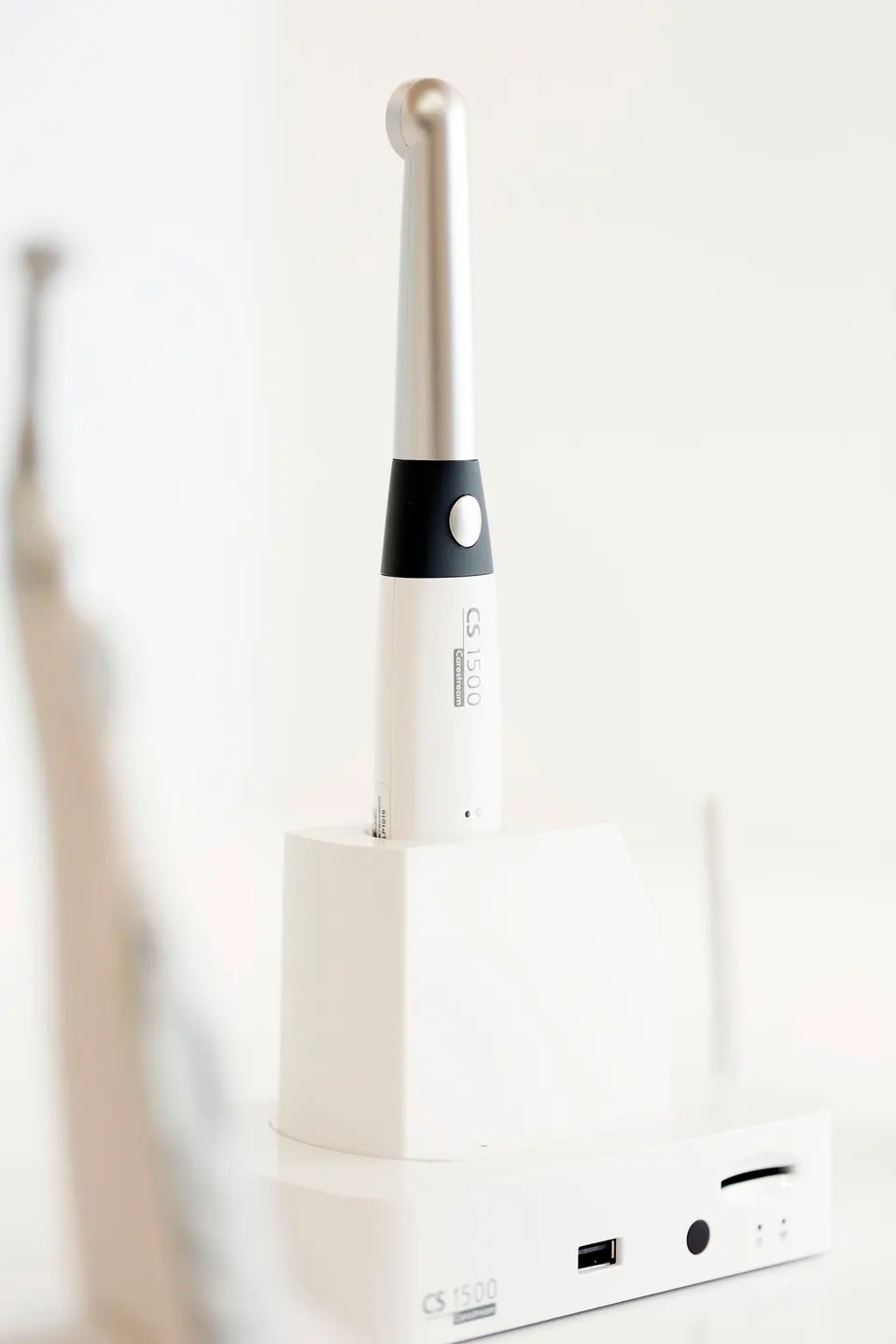
Dental instruments prepared for assessing crowns and fillings

Is this filling or crown problem simple, or is the tooth underneath at risk?

A filling or crown problem is not only about replacing what came loose. The tooth underneath may be sound, cracked, decayed, sensitive or structurally weak, and that changes the next step.

What you may be worried about

  • The tooth underneath may be decayed or cracked.
  • The filling or crown may not be reusable.
  • The exposed tooth may become sensitive or break further.

Common patterns people notice

  • lost filling
  • loose crown
  • sensitive dental work

Possible causes

  • Wear, cement failure or old restoration edges breaking down.
  • Decay under or around a filling or crown.
  • Bite pressure, grinding or a crack in the remaining tooth.
  • A piece of tooth breaking with the restoration.

When to treat this as urgent

Urgency level: soon

  • There is swelling, severe pain, trauma or bleeding.
  • The exposed tooth is sharp, dark, soft, loose or badly broken.
  • The bite feels high or you cannot close comfortably.
Emergency dental help

What to do now

  • Keep any loose crown or filling fragment and bring it to the appointment.
  • Avoid chewing hard foods on the tooth until it is assessed.
  • Book assessment soon, even if the tooth is not painful.

What to avoid

  • Do not use household glue to reattach a crown.
  • Do not keep wearing a loose crown if there is a risk of swallowing or inhaling it.
  • Do not assume replacement is simple without checking for decay or fracture.

When to arrange a dental assessment

  • Arrange assessment if a filling or crown comes loose, the tooth feels sensitive, food traps, or the bite has changed.

What a dentist may need to assess

  • Fit of the crown or filling area, decay, cracks, remaining tooth structure, nerve symptoms and bite pressure.

Options that may be considered

Reuse or recement

This may be possible when the crown still fits and the tooth underneath is sound.

Repair or replacement

A new filling or crown may be needed if the old restoration no longer seals or fits.

Treat the underlying tooth

Decay, cracks or nerve symptoms may need treatment before the restoration can be replaced.

What we would consider before recommending treatment

  • Whether the tooth underneath is restorable.
  • Whether the old restoration fits and seals properly.
  • Whether decay, cracks, pain or bite overload are present.

If it were our own teeth

If it were our own tooth, we would want the tooth checked before simply replacing what fell out.

A sensible next step

Book an assessment and bring any crown or filling fragment. Use urgent help if there is swelling, severe pain, trauma, bleeding or a badly broken tooth.

Possible next steps

  • Recementing, replacing a filling, a new crown, temporary protection, root canal treatment or extraction may be discussed.

Common questions

Can a crown just be glued back on?

Sometimes, but only after checking that the crown still fits and the tooth underneath is sound.

Is a lost filling urgent?

It can be urgent if there is pain, swelling, trauma, a sharp edge or a large broken area.

Want us to assess your situation?

Book when you feel ready to understand the problem, options and next step.

Book