Fall, accident or trauma
A tooth has been hit, knocked, moved, broken or loosened after a fall, sport injury or accident.

Broken teeth, swelling, injuries, lost fillings, or urgent dental concerns.
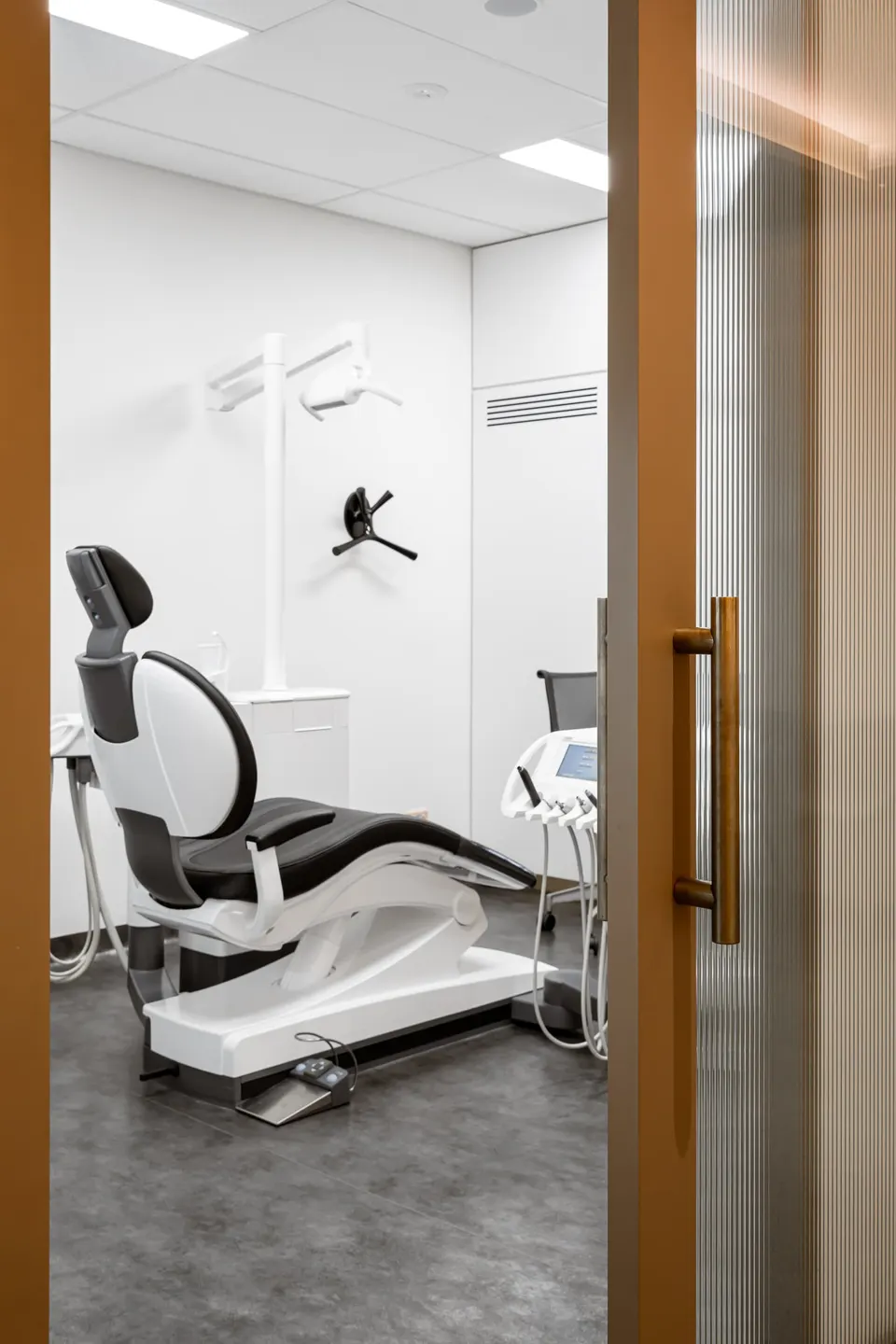
Urgent Dental Help
Use the emergency dental page if there has been a fall, accident, swelling, severe pain, bleeding, infection concern, or a broken tooth that cannot wait.
Emergency dental helpA tooth has been hit, knocked, moved, broken or loosened after a fall, sport injury or accident.
There is swelling in the gum, face or jaw, pus, fever, a bad taste, or pain that is spreading.
Pain is intense, worsening, keeping you awake, or not settling with usual pain relief.
A tooth has broken, a filling has come out, or a sharp edge is cutting the tongue or cheek.
A fall, accident or knock to the mouth can move, loosen, crack or break teeth and may need urgent dental advice.
Read guideDental trauma includes teeth that are knocked, moved, loosened, broken or injured after a fall, accident or direct blow.
Read guideSwelling in the gum, face or jaw may be linked with dental infection and should be treated as urgent, especially with fever or spreading pain.
Read guideUrgent Or Normal
If symptoms are stable or the concern is planned, use a normal appointment. If there is swelling, trauma, severe pain, bleeding, or a broken tooth that cannot wait, use the emergency dental page instead.