Dental trauma after a fall

A fall, accident or knock to the mouth can move, loosen, crack or break teeth and may need urgent dental advice.

Last updated 2026-07-29

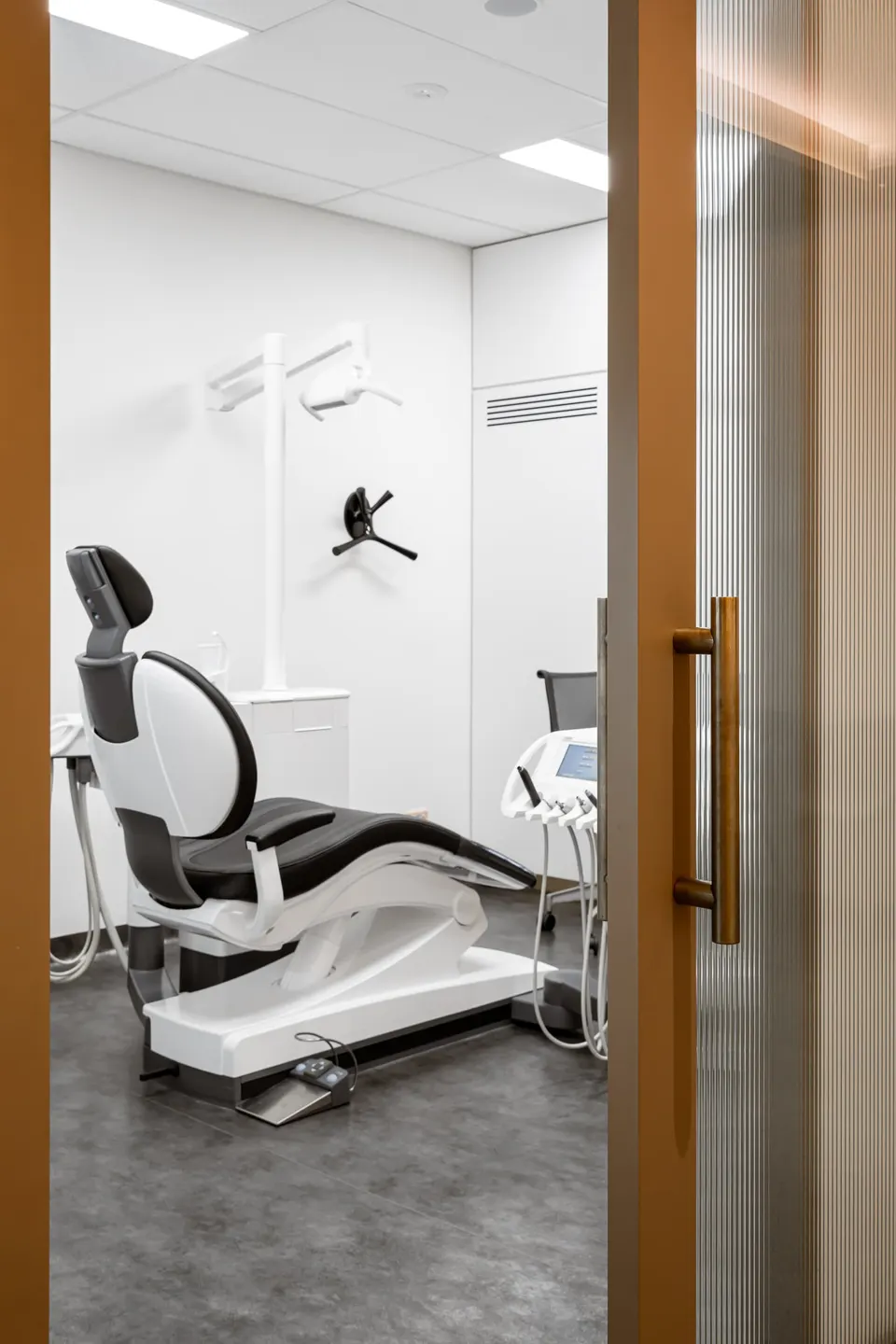
Calm treatment room doorway at Newstead Dental Co

I have had a fall or hit my tooth. What should I do next?

Dental trauma can look obvious, or it can be subtle at first. A tooth may be cracked, moved, loosened or injured internally even if it still looks mostly normal. The first decision is whether the tooth or surrounding tissues need urgent assessment.

What you may be worried about

  • The tooth may have moved, cracked or loosened.
  • A tooth may darken or become painful after the injury.
  • The bite may feel different when you close your teeth together.
  • You may not know whether the tooth can be saved.

Common patterns people notice

  • tooth injury
  • loose tooth
  • broken tooth

Possible causes

  • A fall, trip, sport injury, accident or knock to the mouth.
  • A tooth being pushed, twisted, loosened or fractured.
  • Injury to the gum, lip, bone or ligament around the tooth.
  • Existing weakness from large fillings, cracks or previous treatment.

When to treat this as urgent

Urgency level: emergency

  • A tooth has been knocked out, moved, loosened or pushed out of position.
  • There is bleeding that does not settle, swelling, severe pain or a cut to the gum or lip.
  • The bite feels different after the injury.
  • A tooth is broken and the inside looks pink, dark or soft.
  • There was a head injury, loss of consciousness or wider medical concern.

What to do now

  • Use the emergency dental page if a tooth is loose, moved, broken, painful or bleeding after a fall.
  • Seek medical emergency care first if there was head injury, loss of consciousness, vomiting, drowsiness or broader medical concern.
  • Keep any tooth fragment and avoid chewing on the injured tooth.

What to avoid

  • Do not wait for pain before asking for advice if a tooth has moved or the bite has changed.
  • Do not force a baby tooth back into place.
  • Do not repeatedly test the injured tooth by biting on it.

When to arrange a dental assessment

  • Arrange prompt assessment after a fall if a tooth was hit, moved, loosened, broken, painful or the bite feels different.

What a dentist may need to assess

  • Tooth position, looseness, cracks, nerve response, gum or lip injuries, bite changes, X-rays and follow-up needs.

Options that may be considered

Urgent assessment

Trauma often needs prompt review so tooth position, cracks, nerve injury and soft-tissue damage can be assessed.

Stabilising the tooth

A loose or moved tooth may need to be repositioned or supported depending on the injury.

Repairing a break

A chipped or fractured tooth may need smoothing, bonding, a filling, a crown or another protective restoration.

Monitoring after injury

Some teeth need follow-up because nerve changes can appear after the initial trauma.

What we would consider before recommending treatment

  • Whether the tooth has moved, loosened, cracked or fractured.
  • Whether the nerve, root, gum or bone may be involved.
  • Whether the bite has changed.
  • How long ago the injury happened.
  • Whether there are medical or head-injury concerns that need urgent medical care.

If it were our own teeth

If it were our own tooth after a fall, we would want the injury assessed early rather than waiting to see if it settles. Trauma can be time-sensitive, and a tooth that looks acceptable may still need monitoring.

A sensible next step

Use the emergency dental page if you have had a fall, accident or knock to the mouth and a tooth is painful, loose, broken, moved or bleeding.

Possible next steps

  • Repositioning, splinting, repair, monitoring, root canal treatment, extraction, referral or medical escalation may be discussed.

What Happens Next

When you need emergency dental help.

The emergency page explains which dental problems may need urgent review and how to contact the clinic. It does not promise a diagnosis or a fixed appointment time.

  1. Review the urgent warning signs and decide whether the concern can wait for normal booking.
  2. Call the clinic if you need help deciding what to do next.
  3. Use normal booking when the concern is stable or planned.
  4. If symptoms are medically serious or worsening quickly, seek urgent medical help where appropriate.

Common questions

Should I see a dentist after a fall if the tooth looks okay?

Yes, if the tooth was hit, feels different, is painful, loose, sensitive or the bite has changed. Some trauma problems are not obvious immediately.

What if a tooth has been knocked out?

A knocked-out adult tooth is urgent. Use the emergency dental page immediately and seek urgent dental advice.

Can a traumatised tooth become painful later?

Yes. Teeth can develop nerve symptoms, colour changes or infection after trauma, which is why follow-up may be recommended.

Need this reviewed urgently?

Use the emergency pathway for urgent dental problems. For planned care, book a normal appointment.

Emergency dental help