Use emergency for
- Swelling in the face, gum or jaw
- A fall, accident, sports injury or trauma
- A tooth that is broken, knocked loose or knocked out
- Severe pain, fever, bleeding, or pain that is spreading

Newstead Dental Co helps Brisbane patients understand dental recommendations, treatment options, risks, alternatives and whether proposed care makes sense.
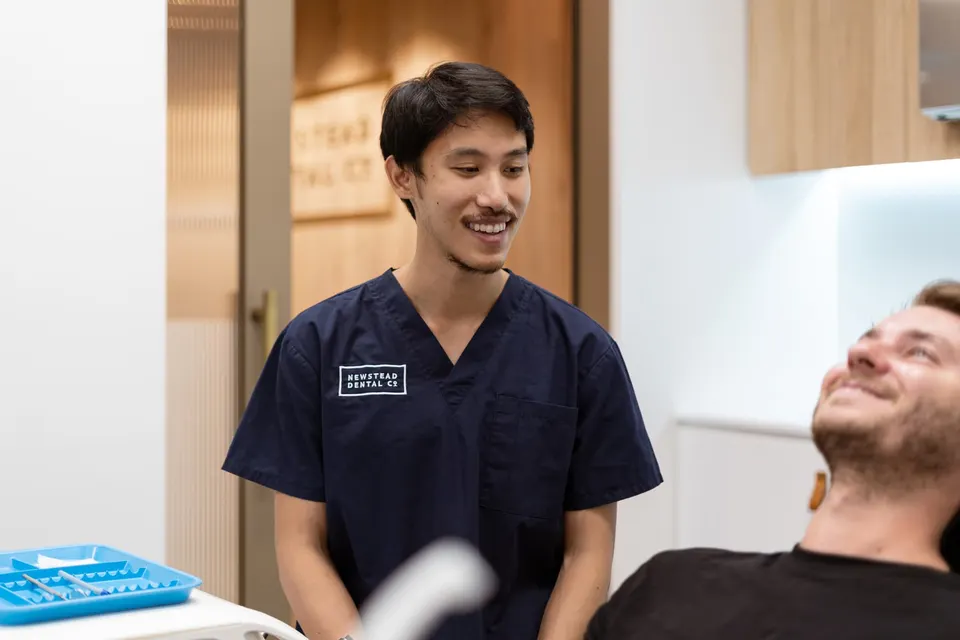
Urgent Or Normal
If symptoms are stable or the concern is planned, use a normal appointment. If there is swelling, trauma, severe pain, bleeding, or a broken tooth that cannot wait, use the emergency dental page instead.
Useful when a recommendation feels unclear or rushed.
Focused on options, trade-offs and decision quality.
Helpful for larger treatment plans, uncertain teeth and implant decisions.
A second opinion can help when you have been told you need major treatment, feel unsure about a diagnosis, want alternatives explained, or need to understand whether a tooth can be saved.
It should clarify the problem, explain reasonable options, outline risks and trade-offs, and help you decide whether treatment, monitoring or another pathway makes sense.
Is treatment urgent? Are there simpler options? What happens if nothing is done now? Can the tooth be maintained? Are the benefits worth the cost, time and complexity?
Bring x-rays, photos, quotes, treatment plans or notes from another dentist if you have them. They help make the appointment more useful.
The aim is not to undermine previous advice. It is to make the decision easier to understand.
Yes. A second opinion is reasonable when you want to better understand a diagnosis, quote, treatment plan or major decision.
No. Sometimes it confirms the original advice. The value is clearer understanding and confidence in the decision.
No. It can also help with a single tooth, a cracked tooth, repeated pain, a proposed extraction or uncertainty about timing.
Bring any X-rays, photos, treatment plans, quotes, item numbers or notes from previous appointments if you have them.
Yes. A second opinion can help clarify whether saving, monitoring, referral, extraction or replacement planning should be considered.
Yes. Implant decisions often benefit from planning around bone, gum health, bite forces, the missing tooth space and alternatives such as bridges or dentures.
That depends on what needs to be assessed. For larger decisions, the next step may include further records, X-rays, staged options or a written plan after assessment.
Next Step
Book a normal appointment for planned care. Use emergency only for urgent dental requests.