Loose dentures

Loose dentures can affect eating, speaking and confidence, and may be caused by fit changes, bone changes, wear or bite issues.

Last updated 2026-07-29

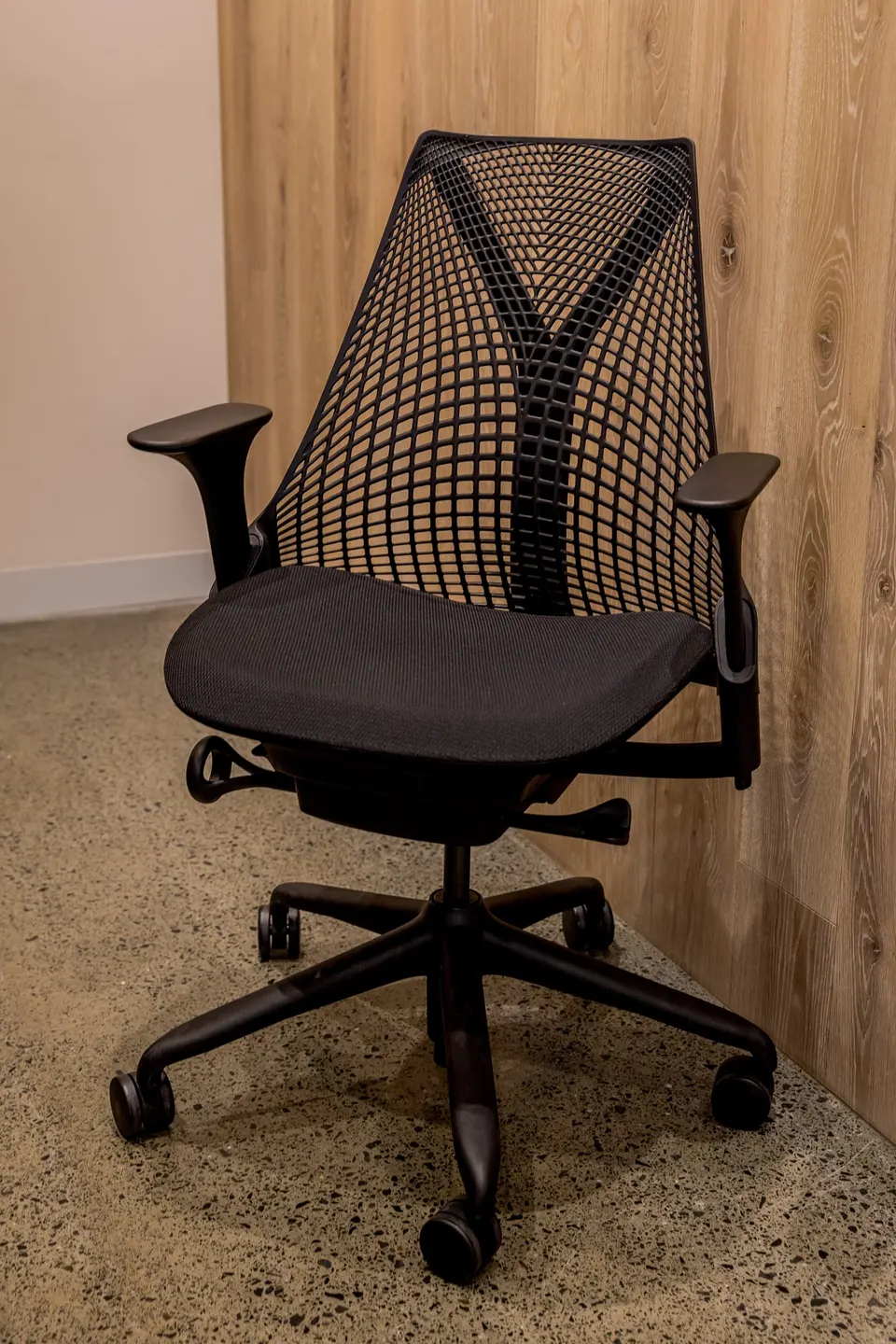
Consultation chair at Newstead Dental Co for discussing denture concerns

Why do my dentures feel loose?

Dentures can become loose as the mouth changes over time. The right solution depends on fit, bite, gum shape, wear, remaining teeth and whether implant support is worth considering.

What you may be worried about

  • Dentures may move when eating or speaking.
  • Sore spots may keep returning.
  • You may not know whether repair, replacement or implants are needed.

Common patterns people notice

  • loose dentures
  • denture sore spots
  • difficulty chewing

Possible causes

  • Natural bone and gum changes after tooth loss.
  • Worn denture teeth or changed bite.
  • Poor fit, cracks or older denture materials.
  • Changes in remaining teeth or gums.

When to treat this as urgent

Urgency level: routine

  • Dentures are causing ulcers, bleeding or severe pain.
  • A denture has broken and cannot be worn safely.
  • There is swelling, infection concern or trauma.
Emergency dental help

What to do now

  • Avoid wearing a denture if it is causing severe ulcers, bleeding or unsafe looseness.
  • Book assessment if looseness affects eating, speaking, comfort or confidence.
  • Bring the denture to the appointment so fit, bite and wear can be checked.

What to avoid

  • Do not keep forcing a painful denture into place if it is causing ulcers or bleeding.
  • Do not use non-dental repair materials on a broken denture.

When to arrange a dental assessment

  • Arrange assessment if dentures move during eating or speech, cause sore spots, feel unstable or have broken.

What a dentist may need to assess

  • Denture fit, bite, wear, cracks, gum shape, sore spots, remaining teeth and whether relining, replacement or implant support may help.

Options that may be considered

Adjust or reline

Some loose dentures can be improved by adjustment or relining if the denture is otherwise suitable.

New denture

Replacement may be better if the denture is worn, unstable or no longer matches the mouth.

Implant-supported options

Implants may improve stability for some patients, depending on bone, health and goals.

What we would consider before recommending treatment

  • Denture age, fit, bite and wear.
  • Gum shape, bone support and sore spots.
  • Whether implant support is appropriate or worthwhile.

If it were our own teeth

If it were our own mouth, we would want to know whether the denture problem is simple fit, worn materials, or a bigger stability issue.

A sensible next step

Book an assessment if loose dentures are affecting eating, speaking, comfort or confidence.

Possible next steps

  • Adjustment, reline, repair, new denture, implant-supported options or monitoring may be discussed.

Common questions

Can loose dentures be fixed?

Sometimes. Adjustment, relining or replacement may help depending on the cause.

Do loose dentures mean I need implants?

Not always. Implants are one option, but the decision depends on anatomy, goals, health and budget.

Want us to assess your situation?

Book when you feel ready to understand the problem, options and next step.

Book